Create. Cultivate. Captivate. Putting heart and soul into everything we do.
Author: Megan Hanna
Hi, I’m Dr. Megan Hanna, based in northern Arizona. I hold a Doctorate in Business Administration with an emphasis in data analytics and I'm a Certified Fraud Examiner (CFE). My background spans banking, finance, lending, accounting, statistical analysis, data analytics, risk management, and leadership. My work centers on translating complex ideas into practical, real-world insights people can actually use.
I’m also a writer and lifelong reader who enjoys exploring ideas through research, reflection, and storytelling. Across my work, I bring together business, data, leadership, and curiosity, with an emphasis on learning, growth, and thoughtful application.
Thanks for being here. I’m glad you’ve joined me!
Earlier this year, I wrote a short poem called Give Me a Word and then did what I often do with creative work. I let it sit. Not because it wasn’t ready, but because I wasn’t sure when the right moment would be to share it, or even how to share it.
That moment turned out to be my mom’s birthday.
My mom had a gift for storytelling. If you gave her a single word, she could turn it into a story. Sometimes it was thoughtful. Sometimes it was funny or unexpected. Sometimes it was quietly profound. Often it was silly. In every case, it was hers and shaped by the way she saw the world.
That idea stayed with me: if we’re given the same word, we won’t tell the same story.
Give Me a Word
by Megan Hanna

Give me a word and I'll tell you a tale.

It might not be the tale you would tell or expect to hear, because it's my tale.

There's room enough in the world for many tales.

So, if I give you a word, will you tell me a tale?
Our experiences, interests, memories, and worldviews shape the tales we carry. No two are identical. And when we take the time to listen (to really listen), the world becomes a richer place.
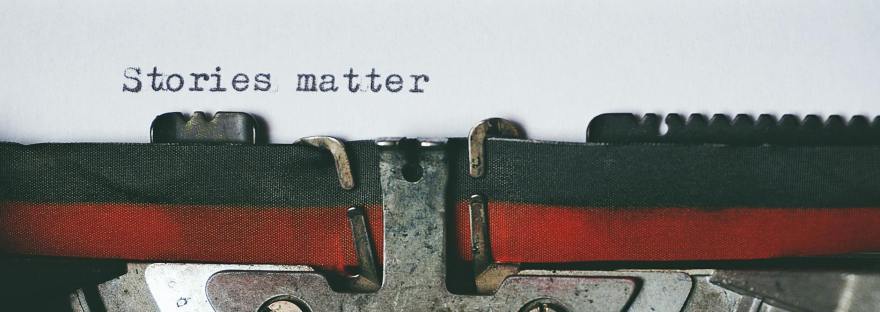
This poem reflects that belief. It’s also a quiet thank you to my mom, who, without ever setting out to do so, showed me that stories matter.
I’ve shared the poem in a short video, paired with an original piano piece I wrote with the same name. You can watch it here:
And so, if I give you a word, will you tell me a story? I can’t help but believe that the more time we take to listen to and understand each other’s stories, the better the world becomes.
My son’s brain surgery is now officially an adult.
I didn’t realize at the time how much that day would shape the way I see the world, other people, and myself. But it did, and I still carry it with me.
We began a mid-December Friday morning in 2007 at Phoenix Children’s Hospital with my seven-year-old son having markers (ones that looked sort of like Froot Loops) placed on his head. As I understood it, these markers would appear on an MRI used during his surgery. While the medical team placed them, they rolled in a video game console to keep him occupied.
Once the markers were in place, it was time to move him into the MRI room, where they would put him to sleep and I would say goodbye. The medical team reassured my son that the video games would be available during his hospital stay. He was excited about waking up and playing once he felt up to it.
I stayed with him while the anesthesiologist placed a mask on his face to put him to sleep before starting any IVs or performing the MRI. As soon as he was asleep, I was sent to the surgery waiting room, where my family and I waited through the rest of the long day. Our second child was almost six months old and spent the day with us, too. At the time, the hospital had not yet closed to child visitors for RSV season—a small mercy that would disappear by the very next day.
About twelve or thirteen hours later, my husband and I were finally allowed into recovery. The goal of the surgery was to remove the entire right temporal lobe of his brain to treat his epilepsy and, we hoped, stop his pervasive seizures. Just before midnight, everyone in the room breathed an audible sigh of relief when he moved his left toe. It was the sign we needed to know that the left side of his body was not paralyzed.
The surgery successfully controlled his seizures—a life-changing, and very likely life-saving, outcome. But it wasn’t without effects. It took time for his brain to build new synapses, and his brain processes information differently from people who have a right temporal lobe. He’s also blind in the upper left quadrant of his vision, which primarily affects his peripheral sight and could have been much worse. There are other realities that come with brain surgery, too, but these are things you learn over time rather than all at once.
Even so, he is here. He is happy and healthy. And I am deeply grateful to have him in my life.
What’s also true is that, eighteen years later, this experience still shapes how I see the world.
Leading up to the surgery, I knew we would be in the hospital for at least a week. If everything went well, we might be discharged just a few days before Christmas. As a mom—and as the person who felt responsible for bringing the magic of the season to life in our family—I felt pressure to get everything done before the surgery.
The Saturday before the procedure, I went to Target to finish my Christmas shopping. As soon as I walked in, I became overwhelmed and started to cry. I turned around, walked back to my car, sat there, and pulled myself together before driving home. My hands wouldn’t stop shaking as I sat in the car.
At that moment, I couldn’t buy presents because I didn’t know what I would be coming home to later that month. My son was facing a major surgery that carried real risks: death, paralysis, or other outcomes that would permanently change his life, and ours. We hoped for seizure control, but hope didn’t erase uncertainty. I didn’t know who my son would be when the surgery was over, and that realization hit me all at once.
Anyone who saw me walk into Target that day would have seen a put-together young mom with an infant strapped to her in a Baby Björn. They wouldn’t have seen the fear, grief, or uncertainty underneath. My son’s life was the one at stake, but the experience shaped me, too, and it still does.
It affects how I see the world and how I see other people. I am constantly reminded that we don’t truly know what others are carrying. People show up, do their best, and move through the world while navigating circumstances we may never see. The same is true in the other direction, too. People may be experiencing incredible joy that remains invisible to us. That awareness has stayed with me and reminds me to lead with compassion.
During that season of my life, I was surrounded by people who loved me well—family, friends, and coworkers who knew what was happening and showed up for us. I was also deeply aware of God’s presence, especially through the prayers of those who interceded on our behalf. That support carried me through a season I couldn’t have navigated alone.
Eighteen years ago, I didn’t know who my son would be when the surgery was over.
Today, I know this: he is here. He is living his life. And I carry forward the lessons of that day quietly, daily, and intentionally.
That mid-December day still reminds me to lead with compassion, because we never truly know what others are carrying.
My family will tell you I have a sense of smell bordering on that of a bloodhound.
Smells—particularly foul ones—drive me crazy and often trigger migraines. It’s not uncommon to find me sniffing around, trying to identify the source of a mysterious odor (or maybe just one that’s offensive to me). Sometimes, I can tell what’s going on in another room just by the smell.
One night, not too long ago, I woke suddenly to the sharp scent of bleach. Groggy and disoriented, I actually wondered if I might be having a stroke, until I heard rustling in the kitchen.
I cracked open the door. The kitchen light was on. The smell was stronger. I tiptoed out and found my teenage daughter standing there holding a cleaning rag, the counters gleaming.
“Hey, sweet girl. What are you up to? The smell of bleach woke me up.”
“I wanted to surprise you,” she said. “So I cleaned the kitchen.”
After a hug and some kind words, I went back to bed smiling.
A few months later, that same daughter told me she needed some new lotion. “And I want it to be the one Nana always used,” she said. “Every time I smell it, it reminds me of her.”
That stopped me for a second. There are so many smells that remind me of my mom.
Today marks 10 years since she passed. And I thought: what better way to honor her than through scent and memory?
Here are 10 smells that bring her back to me. If you knew my mom, I’d love for you to share your own scent memories in the comments (or any memory of her). Or tell me how smell reminds you of your people. I’d love to hear it.
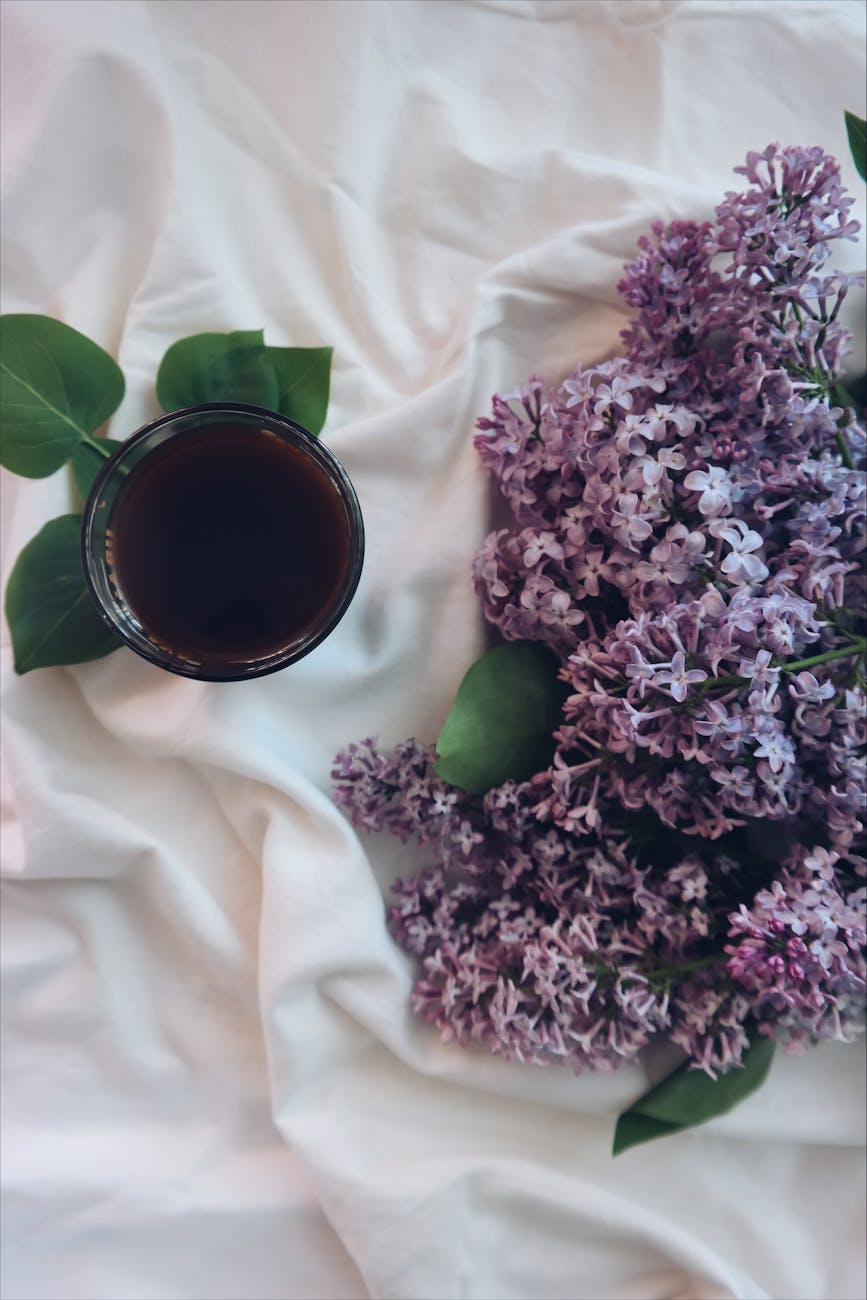
Lilacs were one of my mom’s favorite flowers—big, bold blooms with a scent you can’t ignore. We have a lilac tree in our yard now, and when it blooms in the spring, the fragrance takes over. You can smell it from the back of the house, through the open windows, even when you’re walking past on the dirt road. It’s impossible not to notice.
My mom would have loved this tree—not just because it’s beautiful, but because it makes a scene. It shows up with everything it has and says, “Look at me!” She would have appreciated that.
The weekend she passed away, my dad and I went for a walk around the hospital grounds. The lilacs were blooming in full force, so we picked a big handful and brought them to her room. Her eyes lit up the moment we placed them on the bedside table. Even when she didn’t have the strength to say much, she could still smile at flowers.
Now, every time I smell lilacs, it’s like a quiet wave of memory and presence. I stop what I’m doing, take a breath, and think about my mom
My mom was never afraid of dirt. She saw messiness as part of the magic of childhood. She encouraged me and my sister to go outside, get dirty, explore. Our mom never got upset about muddy shoes or grass-stained jeans. Rather, she knew that real adventure didn’t always happen in clean clothes.
Around age five, I decided I wanted to be an archaeologist. Not just in a passing way—I fully committed. My mom didn’t just smile and nod. She leaned in. She helped me create my own “dig sites” in the backyard and outfitted me with tools: a mini pickaxe, a child-sized shovel, a sieve, and goggles. I was ready for excavation, and she was ready to cheer me on.
There’s a very specific smell to kids who’ve been outside all day—a mix of dust, sweat, sunshine, and discovery. It’s hard to describe but instantly recognizable. When I catch that scent—on my kids or even on myself after a hike or spending any time outside—I’m transported back to those backyard digs and to a mom who never once hollered at me to come inside and clean up.
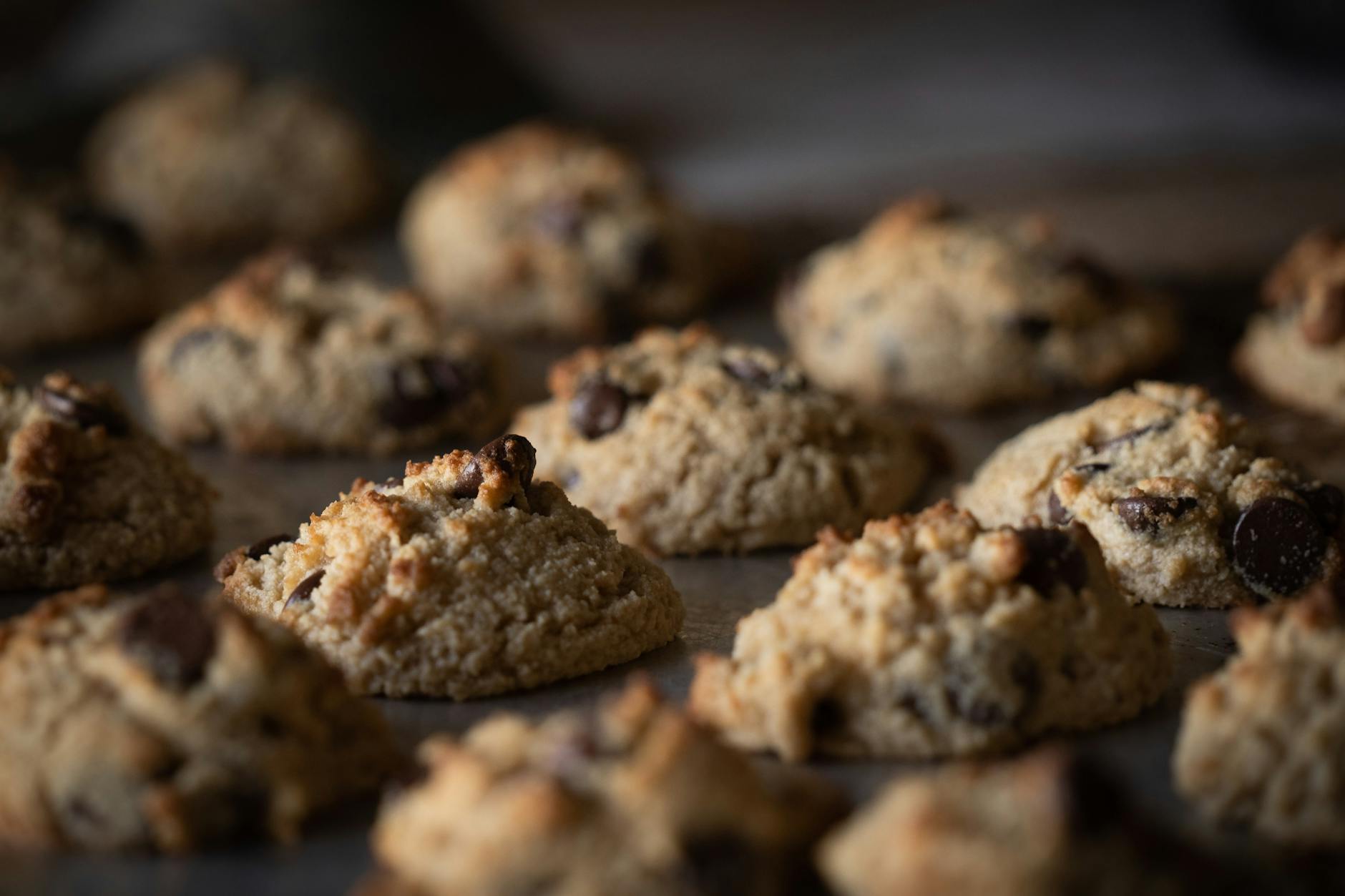
My mom didn’t just bake cookies—she baked with purpose. Our house always had the warm, buttery scent of something in the oven, and cookies were her signature. Chocolate chip. Peanut butter. Oatmeal raisin. Sugar cookies with sprinkles for every holiday.
If you stopped by unannounced, odds were good you’d leave with a cookie in hand and maybe a few more wrapped in foil.
When my dad left for Army National Guard training, she always baked for his entire unit. She’d take requests beforehand, then carefully box them up, labeling everything. She baked like she loved people—which she did—and cookies were how she said it.
She even shipped them across the country to her brothers. I remember one uncle laughing and saying he didn’t care if they arrived in crumbs—they were her cookie crumbs, and that was what mattered.
Every time I bake now, I think about her. Not just because she was a great baker, but because she baked out of love.
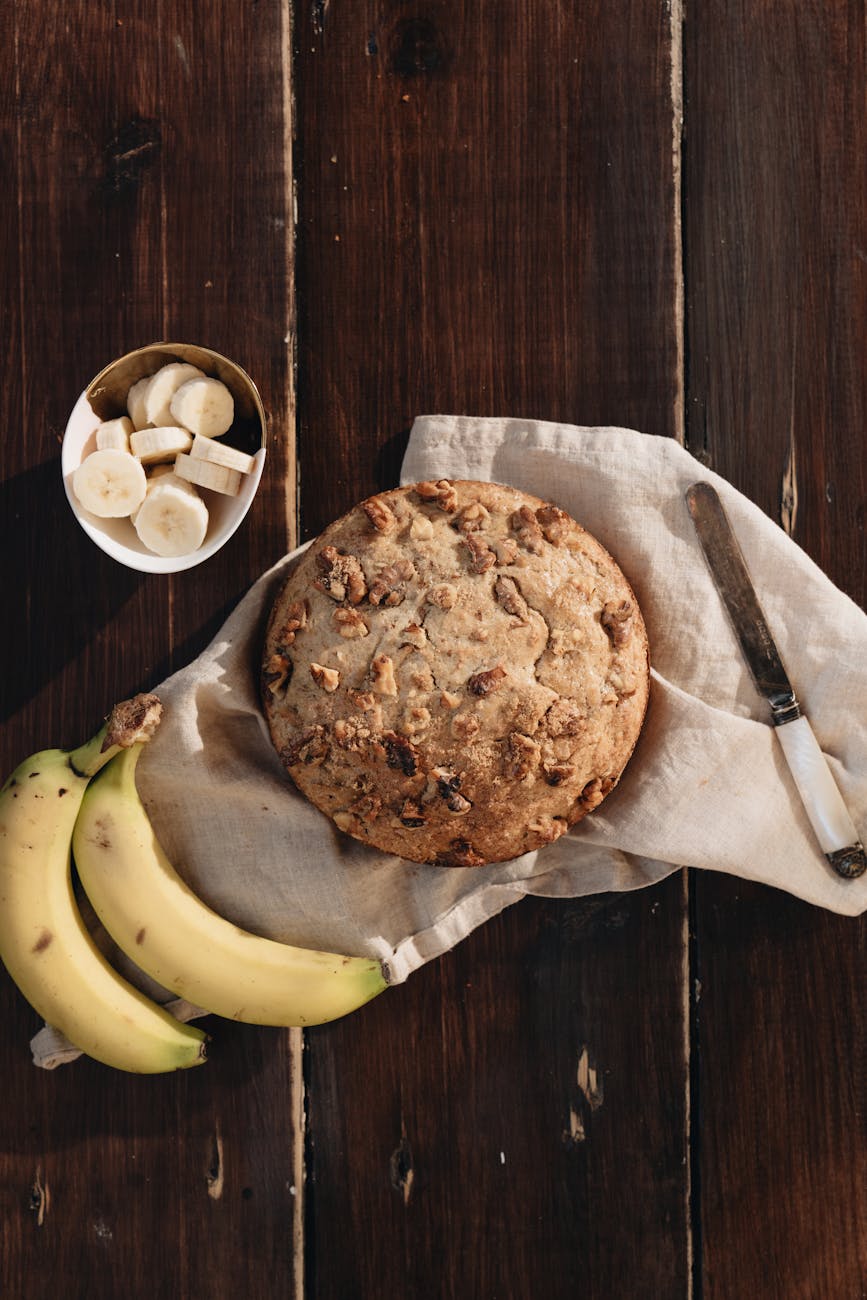
In our house, overripe bananas weren’t a problem—they were a promise. A promise of banana bread, warm from the oven, filling the kitchen with that unmistakable, sweet, cozy smell.
If we had extra zucchini from the garden—or a neighbor dropped some off “just in case we wanted it”—my mom would whip up a batch of zucchini bread before we’d even decided what to have for dinner. She never used a recipe card. Instead, my mom was able to bake a perfect loaf entirely from her memory.
She made enough to share, too. A loaf for the neighbors. A couple of slices wrapped in foil for my dad’s lunch. I think quick breads were her love language. Practical and warm. Fragrant and satisfying. They said, “I saw what we had, and I made something good out of it.”
To this day, I can’t smell banana or zucchini bread without thinking about my mom moving confidently around the kitchen, turning whatever was available into something golden and delicious. She certainly had the Midas touch when it came to baked goods.
I love making pies—especially the fillings—but I’ll be honest: I don’t enjoy making pie crust (store-bought is the way to go, in my view). My mom saw this differently. Not only did she love making pie crust, but hers was delicious. Every Thanksgiving when I hosted, we’d all pitch in: my sister and I would handle the filling. Our mom would happily make the crusts. We were like a well-oiled dessert assembly line.
I especially remember the year when my youngest daughter was two. We had the Macy’s Thanksgiving Day Parade on in the background, and were elbow-deep in flour and cinnamon. We’d just finished the last pie when we noticed things had gotten a little too quiet. Almost anyone who’s a parent knows that quiet is often a sign of trouble when kids are involved.
There was my toddler, standing on the dining table, hands fully submerged in the center of a fresh pumpkin pie. She looked up, eyes wide, face covered in orange goo. And we just lost it. Laughed until we cried. We didn’t even pretend to scold her.
Every time I smell pumpkin pie now, I think of that moment. And I think of my mom laughing with us. She would’ve said it was the best part of the whole day.
I still don’t make my own crust. I buy it premade, with zero guilt. Because in my mind, she’s still the one making it—pressing the dough into the pan, smiling as she goes.
Baking was my mom’s superpower. Cooking… was more of a gamble.
She was always multitasking—writing a note, starting laundry, organizing the closet in the other room. When she baked, that wasn’t usually a problem. The oven had a timer, and she was pretty good at checking in. But cooking on the stovetop? That was another story. Let’s just say she believed in the power of “high heat” and had an almost mystical faith that nothing bad would happen if she walked away for a bit.
One evening in the early 2000s, my husband and I temporarily lived with my parents between moves. We got home from work and immediately knew something was off. A thick, charred smell hung in the air.
My mom decided to make beans—and then promptly forgot about them. The pot was scorched. The kitchen smelled like a campfire. She greeted us at the door, laughing and waving a towel around like it might help.
We ended up getting takeout, of course. But she never got defensive or frustrated. Instead, she cracked a joke and turned it into a story. She had this way of turning mishaps into moments.
To this day, if I smell burnt beans, I smile and think of her.
Back in the 1980s, my mom’s go-to perfume was White Shoulders. I can still picture the soft pink bottle. It sat on her dresser like a little beacon of elegance, and when she wore it, the whole room felt a little more glamorous.
I thought it was the most sophisticated thing in the world. I remember begging to hold it and being thrilled when she finally handed me an empty bottle. I didn’t care that it was used up. I’d sneak away to my room, take off the lid, and close my eyes while I inhaled the lingering scent. I imagined I was grown-up, heading out to some important event, dressed to the nines, just like her.
That bottle lived in my dress-up drawer for years. It was a main character in every make-believe game I played. I loved it… mostly because of how much I loved and admired my mom.
Even now, if I catch even a hint of White Shoulders, I’m eight years old again, spinning in circles, pretending to be my mom.
The smell of nail polish has always hit me hard. It gives me a headache almost instantly—and the waiting-for-it-to-dry part? Um, no. That’s torture. I’m happier outsourcing the job to a professional or skipping it altogether.
My mom, though, loved it. She especially loved red nail polish. Bright, bold, classic red. She kept her nails neat and painted, making it look effortless. It was part of her rhythm, one of the ways she took care of herself.
When my daughters were little, I never wanted to sit and paint their nails. But Nana did. She’d lay towels on the table, open the little bottles, and let them choose their colors. Reds, pinks, purples, glittery shades that looked like fairy dust. She had endless patience and a steady hand. They loved those little nail salon days with her, and so did she.
Now, when I walk past a nail salon or open a bottle of polish and get that sharp, chemical whiff, it’s no longer unpleasant. Instead, it triggers memories of red nails, giggles, and a Nana who showed love in tiny, tender ways.
One of my mom’s favorite bits of nature trivia was this: if you smell the bark of a ponderosa pine tree, it smells like vanilla. Or butterscotch, depending on who you ask. She would proudly demonstrate this whenever we passed one on a hike or walk.
We’d be in the middle of a forest, and she’d suddenly stop, gesture to a tree, and say, “Okay, now smell this one.” Then she’d lean in, close her eyes, and take a long inhale. We followed her lead—slightly skeptical at first, but eventually fully bought in.
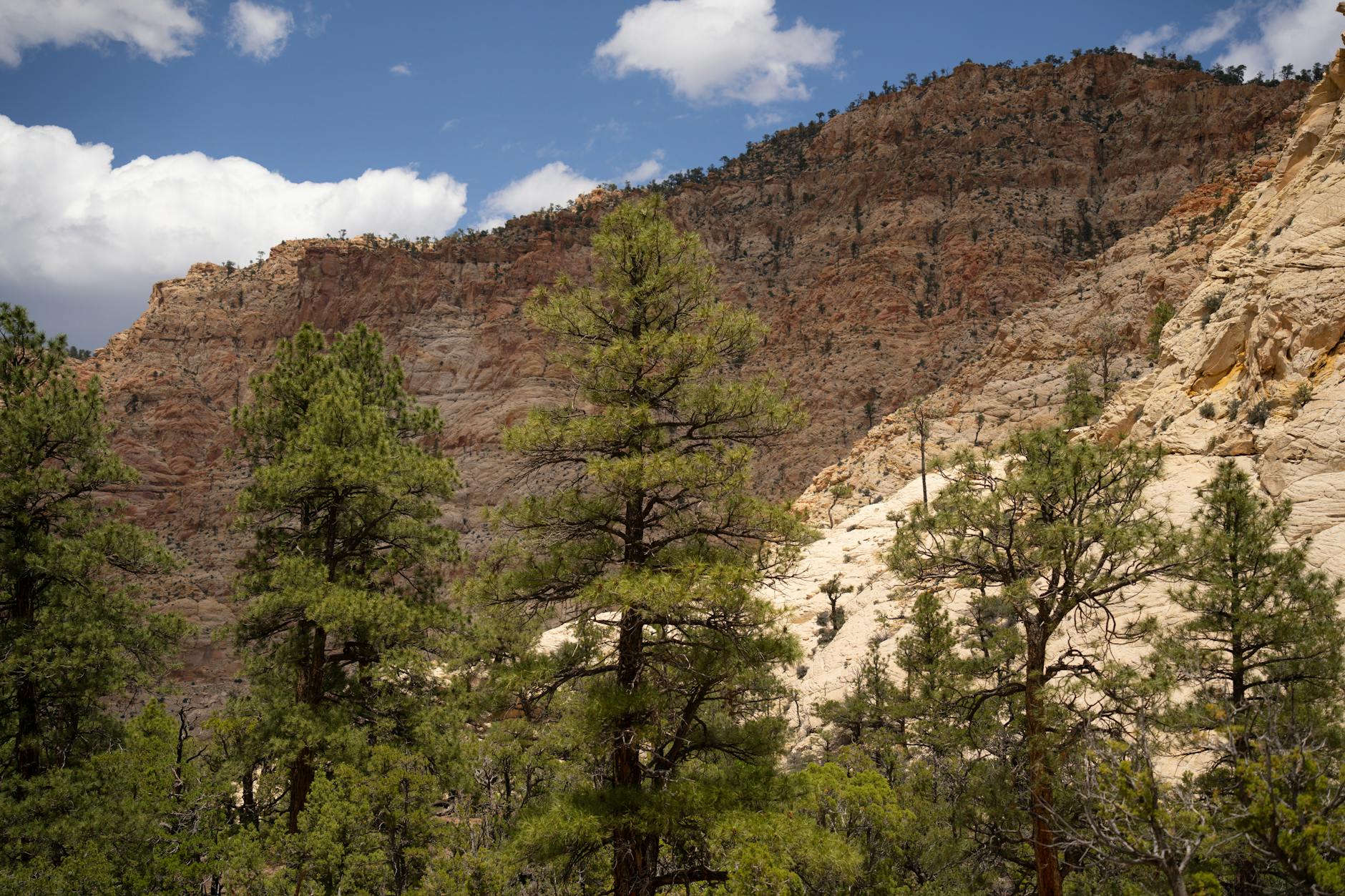
I live in northern Arizona now, home to the largest contiguous stand of ponderosa pines in the world. And yes—I still sniff trees. My kids roll their eyes, but I encourage them to do it, too. It’s a little strange, maybe, but it’s also a direct connection to her. To her love of the natural world. To her delight in small discoveries.
Every time I press my nose to that bark and catch the sweet, warm scent of vanilla, I think about my mom.
Nature was my mom’s sanctuary. She loved wild places and quiet moments. Whenever we arrived at a new spot—whether for camping, hiking, or just a scenic drive—she had a ritual. She’d step out of the car, stretch her arms wide, lift her face to the sky, close her eyes, and say with as much drama as she could muster, “Smell the air. Breathe it in.”
It didn’t matter where we were—the mountains, the desert, the lake. She believed that every place had its own scent, its own essence. And by breathing it in, you became part of it, just for a little while.
It was her way of anchoring herself in the present, of paying attention. She was practicing mindfulness.
And that’s my intention for the year ahead. To slow down. To notice. To take it in—scents, sights, memories, moments. To smell the air, breathe it in, and let it remind me that I’m alive and connected to something bigger. That she’s still with me in the breeze and the lilacs and the laughter.
Let’s keep telling stories. Let’s remember the people who shaped us. And let’s not forget to take a moment to smell the air and breathe it in. To enjoy this life and all the things it has in store for us.
And maybe that’s the real legacy of my bloodhound nose.
Sure, I might be the first one to notice when the milk goes bad—or when someone’s burning toast. But more than that, I inherited a way of noticing, of tuning in. My mom taught me that life is worth smelling: the lilacs, the cookies, the quick breads, the air.
So here I am, ten years later—still sniffing trees, still opening bottles just to catch a memory in the air. And every time I do, I think of her. I smile. And I breathe it in.
Some stories stick with us. Others help shape us. This one does both. It’s about purple-eyed girls, crisp red apples, and the first time a book made me cry. But more than anything, it’s about wonder — and why I believe stories still matter.
Have you heard of topsy-turvy tales? No, you say? Well, they’re something I don’t remember not knowing. In my life, there was the main set of topsy-turvy tales that got the fire going, the ones I helped create, and those I didn’t know existed for the longest time. And I bet there are more out there, just waiting to be discovered.
My mom was a storyteller. But before she was a storyteller — or maybe because of it — she was a reader. I don’t remember my mom reading much on her own, except for a period in the 1980s when she and one of her best friends were hooked on TheClan of the Cave Bearseries. And when she was reading Mark Twain for a college class. She was always reading to me and my sister, though. Or, once we could read on our own, encouraging us to read.
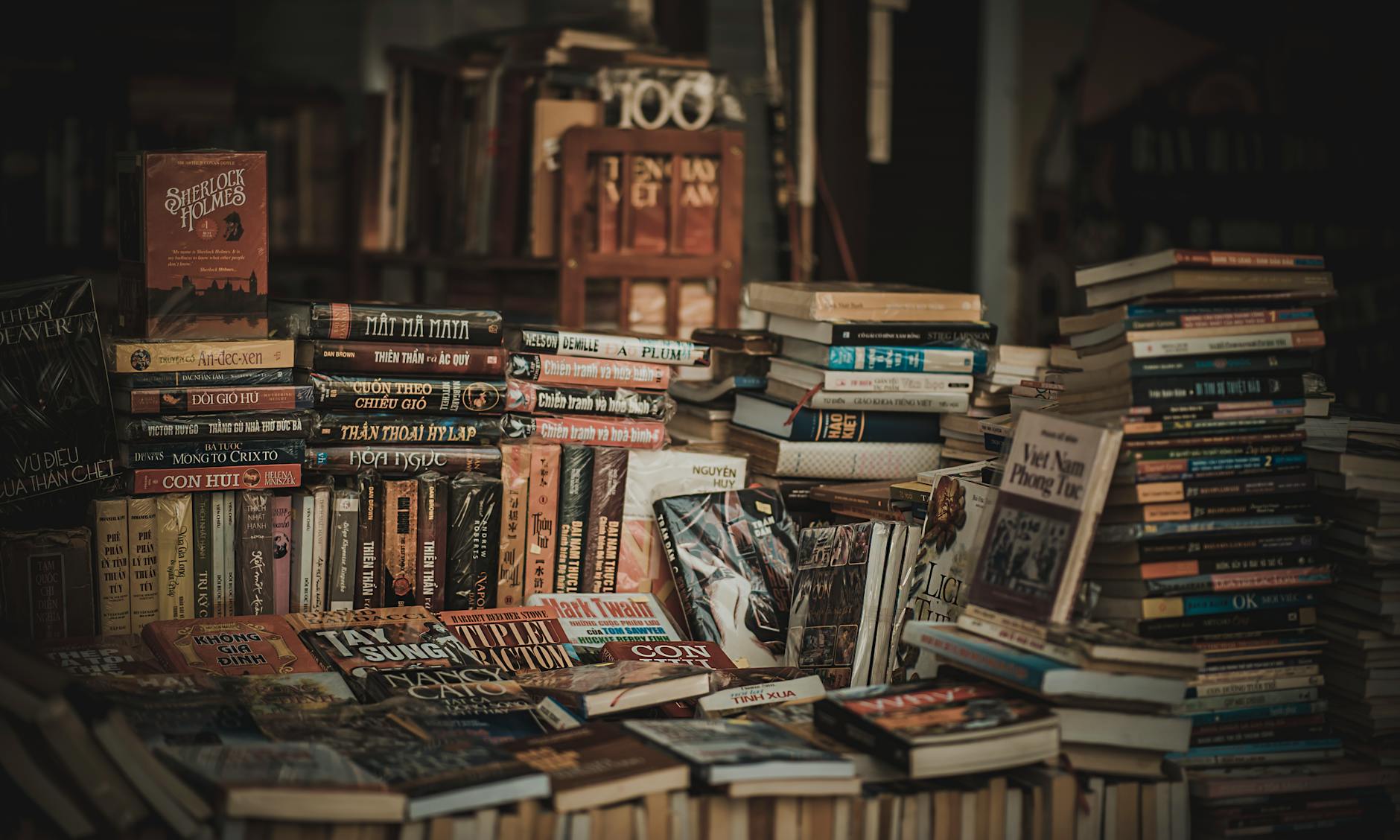
Books — and the stories that serve as their foundation — were a part of my life from the beginning. I don’t know if my mom read to me when I was still tucked warm inside her body, but I suspect she did. Once I was on the outside, she read to me daily, as much as I wanted. The phrase “too much” when it came to books didn’t exist. I was in the beginning stages of my independent reading journey before I was four years old. By age six, I was devouring chapter books.
One of the first of these was a tale my memory says was called The Underground Cats, though I can’t find it, as much as I’ve searched. Keep in mind we’re trusting the recollection of a then six-year-old child. So, there’s that. Anyway, I was fascinated by this story of the Underground Railroad told from the perspective of the cats who lived in the homes where it was operated.
I was in awe of the network of individuals who tried so hard to lift enslaved people out of a terrible situation, and appalled at the fact that this needed to happen in the first place. It was hard to imagine a world where this existed — or a world where anyone would want to harm others. Or, even still, a world where people would stand by and do nothing about it. I didn’t understand how this could happen.
My little worldview was shattered, and I wondered what else I didn’t know. And, more than anything, I wanted to know and understand it all. I quickly realized that books can show the world to you in ways you may have never imagined. The good, the bad, the beautiful, the ugly, and everything in between. Within the pages of a book were wonders waiting to be discovered.
The elementary school I attended in the middle of nowhere Arizona spurred this love of reading by setting aside entire days when you could check out as many books as you could read that day. I was a voracious reader and would get my little bundle of books, determined to devour them all so I could get more before I went home. And what a joy that was, since there were always more books to consume.
I read and read and read some more. There were never enough books to quench my desire to learn, to explore, to understand, to figure out the world, to see things I didn’t know existed or imagined of the future or couldn’t fathom. There was so much in the world, just waiting to be discovered. All I needed to do was open the cover of book after book, read the words inside, and turn page after page.
Then came Stone Fox when I was around eight years old. My little sister and I shared a queen-size waterbed. I was nestled under the covers, turning the pages, completely engrossed in the story. But there came a point towards the end of the tale when I could no longer see the words on the page through my tears. My mom heard my sobs and quickly came to check on me.
Though she hadn’t read the book, she knew what it meant to have a story affect you, and that I needed to know the end. She snuggled into the bed beside me, wrapped me in her arms, and read the rest of the story out loud since I couldn’t do it on my own. It was the first time a book — or story, for that matter — made me cry. And I think it may have been the first time I felt that kind of sadness.
It was only shortly thereafter that the movie The NeverEnding Storywas released on VHS tape. My mom and dad would take me and my sister to the video rental store, where they would rent a VHS player and let us pick out a couple of movies to watch on repeat until they had to be returned. This movie immediately captivated me.
I wanted nothing more than to bite into a crisp, red apple and munch a peanut butter sandwich while reading a book in the attic of my school during a storm. If you know, you know. By this point, I was familiar with sadness. So, while the Swamp of Sadness caused me to shed my first movie tears, the feeling wasn’t as jarring as the first time. It was still there, but I had more lived (or read) experience.
This movie solidified in me the belief that wonder and imagination were needed in the world, and reading was a way for me to help keep it alive. Reading was my mission. It was a way that I could be a part of the neverending story. And, I fully committed to doing my part.
Since I read all the time (and this is hardly hyperbole), I needed a constant supply of books. My mom did her part by taking me to the public library weekly. Children could check out 13 books at a time, and I had no trouble meeting the limit — staying under it was another story. Once I finished my stack, I’d turn to my little sister’s and nag my mom to let us return our books early so we could get a fresh set.
But I digress. As I mentioned at the beginning of this tale, my mom was a storyteller.
When my sister and I were little, some of our favorite tales were topsy-turvy ones. It all began with a Golden Look-Look Book of the same name — A Topsy-Turvy Tale. In this story, all sorts of seemingly impossible things happen, including children wearing football uniforms instead of pajamas and flying instead of taking the stairs. My sister and I would fall into fits of laughter as these silly words fell out of our mother’s mouth.
Even better, the story wasn’t finished when the last page was turned and the cover was closed. We’d say, “Tell us another topsy-turvy tale, Mommy.” And she’d humor us until we fell asleep or tired of the tale, with the latter rarely happening.
”Once upon a time,” she’d say, “there were two little girls with purple eyes.”
We’d gasp and say, “Little girls don’t have purple eyes, Mommy!”
“Well, what color eyes do they have?” she’d respond.
And we’d say blue, or brown, or hazel, or green, listing off the colors we’d seen.
”You never know, someone we haven’t met might have purple eyes,” she’d say, and continue the story. If it was just too far-fetched for even our imaginations, she’d change the story into something a little more believable and keep going.
”In our tale, the little girls have purple eyes that perfectly match the color of their cat’s feathers,” she’d continue. We would burst into fits of giggles and she’d change the feathers to fur — just enough of a change to make it believable.
And on and on it would go. Back and forth it went as we helped her weave an ever more wonderful topsy-turvy tale of our own making.
Some nights it wouldn’t be a topsy-turvy tale but a story of a different kind. She’d turn a well-known nursery rhyme or fairy tale into one of her own creation, or have us give her a word or idea, and build a story on what we shared. You could say that she had a way with words. A way of turning even the most mundane of them into something magical and new. She was a natural storyteller.
In the worlds my mother built, little girls could have purple eyes and cats purple fur if the tale was spun just so. With just a sprinkle of fairy dust, we’d believe it could be.
And isn’t that the way of the world? Imagine if nobody dared dream of what they had not seen or tried what they thought was impossible. We wouldn’t have fire and wheels and lightbulbs and planes. Doc would have never told Marty, “Where we’re going, we don’t need roads.” And we might not even have roads, anyway.
As a child, my curiosity and sense of wonder were near limitless, as was my need to create and play and explore. With adulthood comes adult realities, and it can be easy to lose sight of these, what some may say, childish things. But, we need them. I need them. I’m who I was meant to be when I hold tight to these childish things. I was made to create. We were all made to create.
The world can be an even better place when we take time to imagine what could be and play an active role in the neverending story of this topsy-turvy place we call home.
Phoenix Children’s Hospital was a familiar place to us, with its brightly colored exterior, cheerfully decorated interior, and friendly staff. We made a 95-plus mile drive from our home in northern Arizona a couple times a month to visit the place. At the end of our visit, we’d usually get lunch or visit our favorite outlet mall. It became routine. Normal, even.
On this particular day, I was describing how pleased I was with our son’s progress to the doctor. His visible seizures were much fewer than in the recent past — there were even some days when we didn’t see any seizures. They were still there, sure, but his epilepsy was more manageable. It felt like things were starting to get under control.
“I know you’re pleased with your son’s progress, and I am too,” the doctor began. “Even so, his seizures are not even close to under control. We’re going to need to take a different approach. I think it’s time to consider epilepsy surgery to remove the section of his brain that’s producing the seizures,” he said.
I sat there silently for a minute, hugging my little boy a little tighter. “But things are so much better,” I said.
“You’re right,” he said. “They are better, but let’s talk about his life. Things other kids his age can do, like riding a bicycle, climbing playground equipment, or taking a bath, pose a serious risk for your son. And think about when he’s older. If we can’t get his seizures truly under control, he might never be able to drive a car. Plus, we need to consider how the medication is affecting his quality of life.”
He was right, of course. I usually didn’t think about these things, because it wasn’t productive. Instead, I focused on the positive, as I knew his care was being directed by a talented group of medical professionals. This helped me cope with what was clearly a challenging situation.
“Okay, let’s talk it through,” I said, after another moment of silence.
Embarking on the Journey
This particular journey started in earnest about five years prior to that appointment. As I was driving, I’d glance at the baby car mirror to check on him once in a while. Every now and again, I’d see a grimace on his face, his head cocked strangely to one side with a bent arm and tightly clenched fist.
These early incidents lasted mere seconds, but my mama intuition told me something wasn’t right. Thus the search began to figure out what was causing these strange “tics” or “twitches” (as I thought of them at the time). Over the course of the next five years, we spent countless hours visiting medical professionals to first get a diagnosis and then figure out how to get his epilepsy under control.
We tried medicine after medicine, but it wasn’t until we were assigned a new doctor who had been hired to start an epilepsy monitoring unit that we started to see real progress. This doctor was collaborative and open and willing to try new things. I felt like we were partners in my son’s treatment plan.
As I saw progress and came to understand the why behind what the doctor was recommending, I grew to trust him. I saw his faithfulness in making sure our son was given the best possible care. He was open to answering questions, showing us time and again how much he cared. This gave me hope.
It turned out our son had medically intractable epilepsy, which really just meant medication had failed to bring his seizures under control. Seizure medication hadn’t worked well for our son, but the doctor believed epilepsy surgery might be a good treatment option for him. I wanted nothing more than healing for our son.
Coming to Grips
At the time, I was heavily pregnant with our would-be middle child and just finishing up the last class for my MBA. Life was a little crazy, and the thought of adding epilepsy surgery to the mix felt overwhelming. Although I wanted to try whatever treatment plan was right for our son, I wasn’t sure how I could handle caring for an epilepsy surgery patient, tending for a newborn baby, and recovering from a c-section at the same time.
I shared my concerns with the physician, who comforted me by saying it wasn’t going to happen right away. There was a lot of additional testing and preparation needed leading up to the epilepsy surgery. Plus, a team of medical professionals was assigned to the case who would provide ample support. We agreed to continue the discussion and begin the preparations after the baby arrived on the scene.
Over the course of the next several months, I graduated with my MBA and our healthy baby girl made her grand entrance. We settled into a new routine and began preparing for our son’s surgery. This included me going back to work sooner than originally planned, so I could take time off in the coming months to prepare for the surgery and later in the year to care for our son.
We were showered with love and support during this phase of our life. This included our parents, who were there for us every step of the way, and my sister, a talented RN who happened to work for Phoenix Children’s Hospital. It also included my coworkers, who listened to and prayed for us constantly. Not to mention the incredible support we received from the medical team at Phoenix Children’s Hospital assigned to our case.
Experiencing Peace
As the day of the surgery approached, my boss’s boss called the team into his office to pray for my son, my family, and the medical team. Although I was working for a secular business, God surrounded me with fellow believers in Christ. We had no church home at the time. This was for a myriad of reasons, many of which centered around the complexities of attending church services with a special needs child. Even so, God made a way for us to be cared for by His followers and put us on a path to eventually finding a church home.
The day of the surgery arrived. While there’s a lot that could be said about that day (and might be said in the future), what really stands out is how I felt. Peaceful. I knew right away that I was experiencing the peace of God, which truly surpasses all understanding (Philippians 4:7). I’m a fixer by nature, and I tend to feel uncomfortable when things aren’t in my control. This was certainly one of those situations, yet it didn’t matter.
Rather than driving myself crazy with all the possible what ifs, I chose to turn to prayer, focusing on God’s will and the good in the situation (Philippians 4:6). I was thankful for our medical team. I was thankful my sister worked at the hospital. I was thankful our son’s seizures originated in a section of his brain that made him a prime candidate for epilepsy surgery. I was thankful for a supportive work environment. I was thankful for my husband, our parents, our beautiful baby girl, and everyone else in our lives. I was thankful I was chosen to be our son’s mom.
When the day arrived, we were covered in prayer. I couldn’t understand the level of peace I felt, other than it had to have come from God. It was the only thing that made sense.
I’m happy to report the surgery was a success. Our son is now almost 19-years old and is completely seizure-free. When I look back on this time of my life, what I remember most is the feeling of peace I experienced on that day, along with the people who loved and supported us along the way.
Understanding God’s Love
God is faithful, no matter the trials we face (1 Corinthians 1:8-9). Even if the surgery hadn’t turned out the way it did, God’s love would have remained (1 John 4:16). He would have stood by my side and covered me in His love, as trust in Him provides for the hope that anchors the soul (Hebrews 6:19). He truly is our refuge and strength, a very present help in times of trouble (Psalm 46:1).
It’s because of Him we’re able to say, in the words of Horatio Spafford, “It is well with my soul,” even when we’re facing the most difficult trials. Even if fear would have us believe otherwise. Even if things don’t go our way. Even if … and for this, I am ever grateful.












 Meraki Endeavors
You must be logged in to post a comment.