My son’s brain surgery is now officially an adult.
I didn’t realize at the time how much that day would shape the way I see the world, other people, and myself. But it did, and I still carry it with me.
We began a mid-December Friday morning in 2007 at Phoenix Children’s Hospital with my seven-year-old son having markers (ones that looked sort of like Froot Loops) placed on his head. As I understood it, these markers would appear on an MRI used during his surgery. While the medical team placed them, they rolled in a video game console to keep him occupied.
Once the markers were in place, it was time to move him into the MRI room, where they would put him to sleep and I would say goodbye. The medical team reassured my son that the video games would be available during his hospital stay. He was excited about waking up and playing once he felt up to it.
I stayed with him while the anesthesiologist placed a mask on his face to put him to sleep before starting any IVs or performing the MRI. As soon as he was asleep, I was sent to the surgery waiting room, where my family and I waited through the rest of the long day. Our second child was almost six months old and spent the day with us, too. At the time, the hospital had not yet closed to child visitors for RSV season—a small mercy that would disappear by the very next day.
About twelve or thirteen hours later, my husband and I were finally allowed into recovery. The goal of the surgery was to remove the entire right temporal lobe of his brain to treat his epilepsy and, we hoped, stop his pervasive seizures. Just before midnight, everyone in the room breathed an audible sigh of relief when he moved his left toe. It was the sign we needed to know that the left side of his body was not paralyzed.
The surgery successfully controlled his seizures—a life-changing, and very likely life-saving, outcome. But it wasn’t without effects. It took time for his brain to build new synapses, and his brain processes information differently from people who have a right temporal lobe. He’s also blind in the upper left quadrant of his vision, which primarily affects his peripheral sight and could have been much worse. There are other realities that come with brain surgery, too, but these are things you learn over time rather than all at once.
Even so, he is here. He is happy and healthy. And I am deeply grateful to have him in my life.
What’s also true is that, eighteen years later, this experience still shapes how I see the world.
Leading up to the surgery, I knew we would be in the hospital for at least a week. If everything went well, we might be discharged just a few days before Christmas. As a mom—and as the person who felt responsible for bringing the magic of the season to life in our family—I felt pressure to get everything done before the surgery.
The Saturday before the procedure, I went to Target to finish my Christmas shopping. As soon as I walked in, I became overwhelmed and started to cry. I turned around, walked back to my car, sat there, and pulled myself together before driving home. My hands wouldn’t stop shaking as I sat in the car.
At that moment, I couldn’t buy presents because I didn’t know what I would be coming home to later that month. My son was facing a major surgery that carried real risks: death, paralysis, or other outcomes that would permanently change his life, and ours. We hoped for seizure control, but hope didn’t erase uncertainty. I didn’t know who my son would be when the surgery was over, and that realization hit me all at once.
Anyone who saw me walk into Target that day would have seen a put-together young mom with an infant strapped to her in a Baby Björn. They wouldn’t have seen the fear, grief, or uncertainty underneath. My son’s life was the one at stake, but the experience shaped me, too, and it still does.
It affects how I see the world and how I see other people. I am constantly reminded that we don’t truly know what others are carrying. People show up, do their best, and move through the world while navigating circumstances we may never see. The same is true in the other direction, too. People may be experiencing incredible joy that remains invisible to us. That awareness has stayed with me and reminds me to lead with compassion.
During that season of my life, I was surrounded by people who loved me well—family, friends, and coworkers who knew what was happening and showed up for us. I was also deeply aware of God’s presence, especially through the prayers of those who interceded on our behalf. That support carried me through a season I couldn’t have navigated alone.
Eighteen years ago, I didn’t know who my son would be when the surgery was over.
Today, I know this: he is here. He is living his life. And I carry forward the lessons of that day quietly, daily, and intentionally.
That mid-December day still reminds me to lead with compassion, because we never truly know what others are carrying.
My family will tell you I have a sense of smell bordering on that of a bloodhound.
Smells—particularly foul ones—drive me crazy and often trigger migraines. It’s not uncommon to find me sniffing around, trying to identify the source of a mysterious odor (or maybe just one that’s offensive to me). Sometimes, I can tell what’s going on in another room just by the smell.
One night, not too long ago, I woke suddenly to the sharp scent of bleach. Groggy and disoriented, I actually wondered if I might be having a stroke, until I heard rustling in the kitchen.
I cracked open the door. The kitchen light was on. The smell was stronger. I tiptoed out and found my teenage daughter standing there holding a cleaning rag, the counters gleaming.
“Hey, sweet girl. What are you up to? The smell of bleach woke me up.”
“I wanted to surprise you,” she said. “So I cleaned the kitchen.”
After a hug and some kind words, I went back to bed smiling.
A few months later, that same daughter told me she needed some new lotion. “And I want it to be the one Nana always used,” she said. “Every time I smell it, it reminds me of her.”
That stopped me for a second. There are so many smells that remind me of my mom.
Today marks 10 years since she passed. And I thought: what better way to honor her than through scent and memory?
Here are 10 smells that bring her back to me. If you knew my mom, I’d love for you to share your own scent memories in the comments (or any memory of her). Or tell me how smell reminds you of your people. I’d love to hear it.
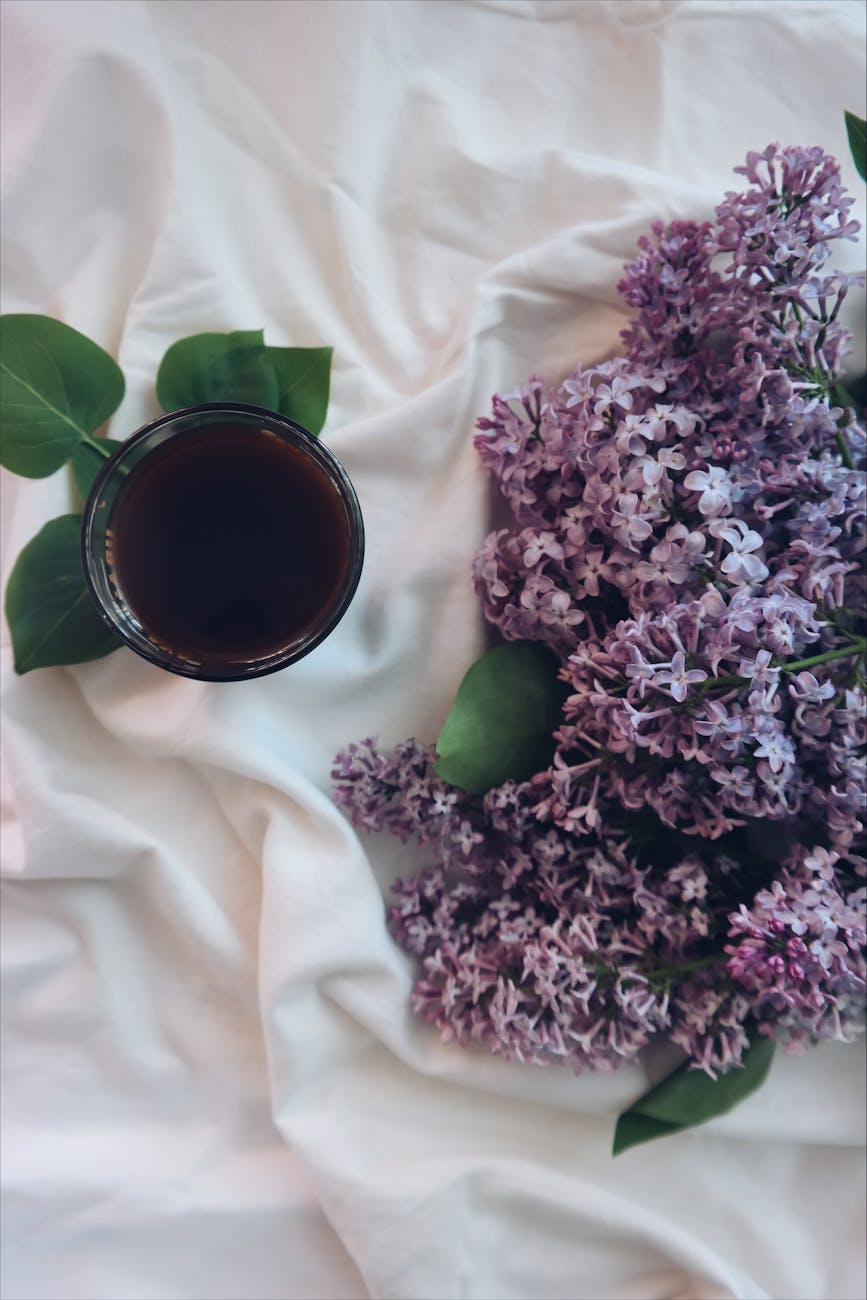
Lilacs were one of my mom’s favorite flowers—big, bold blooms with a scent you can’t ignore. We have a lilac tree in our yard now, and when it blooms in the spring, the fragrance takes over. You can smell it from the back of the house, through the open windows, even when you’re walking past on the dirt road. It’s impossible not to notice.
My mom would have loved this tree—not just because it’s beautiful, but because it makes a scene. It shows up with everything it has and says, “Look at me!” She would have appreciated that.
The weekend she passed away, my dad and I went for a walk around the hospital grounds. The lilacs were blooming in full force, so we picked a big handful and brought them to her room. Her eyes lit up the moment we placed them on the bedside table. Even when she didn’t have the strength to say much, she could still smile at flowers.
Now, every time I smell lilacs, it’s like a quiet wave of memory and presence. I stop what I’m doing, take a breath, and think about my mom
My mom was never afraid of dirt. She saw messiness as part of the magic of childhood. She encouraged me and my sister to go outside, get dirty, explore. Our mom never got upset about muddy shoes or grass-stained jeans. Rather, she knew that real adventure didn’t always happen in clean clothes.
Around age five, I decided I wanted to be an archaeologist. Not just in a passing way—I fully committed. My mom didn’t just smile and nod. She leaned in. She helped me create my own “dig sites” in the backyard and outfitted me with tools: a mini pickaxe, a child-sized shovel, a sieve, and goggles. I was ready for excavation, and she was ready to cheer me on.
There’s a very specific smell to kids who’ve been outside all day—a mix of dust, sweat, sunshine, and discovery. It’s hard to describe but instantly recognizable. When I catch that scent—on my kids or even on myself after a hike or spending any time outside—I’m transported back to those backyard digs and to a mom who never once hollered at me to come inside and clean up.
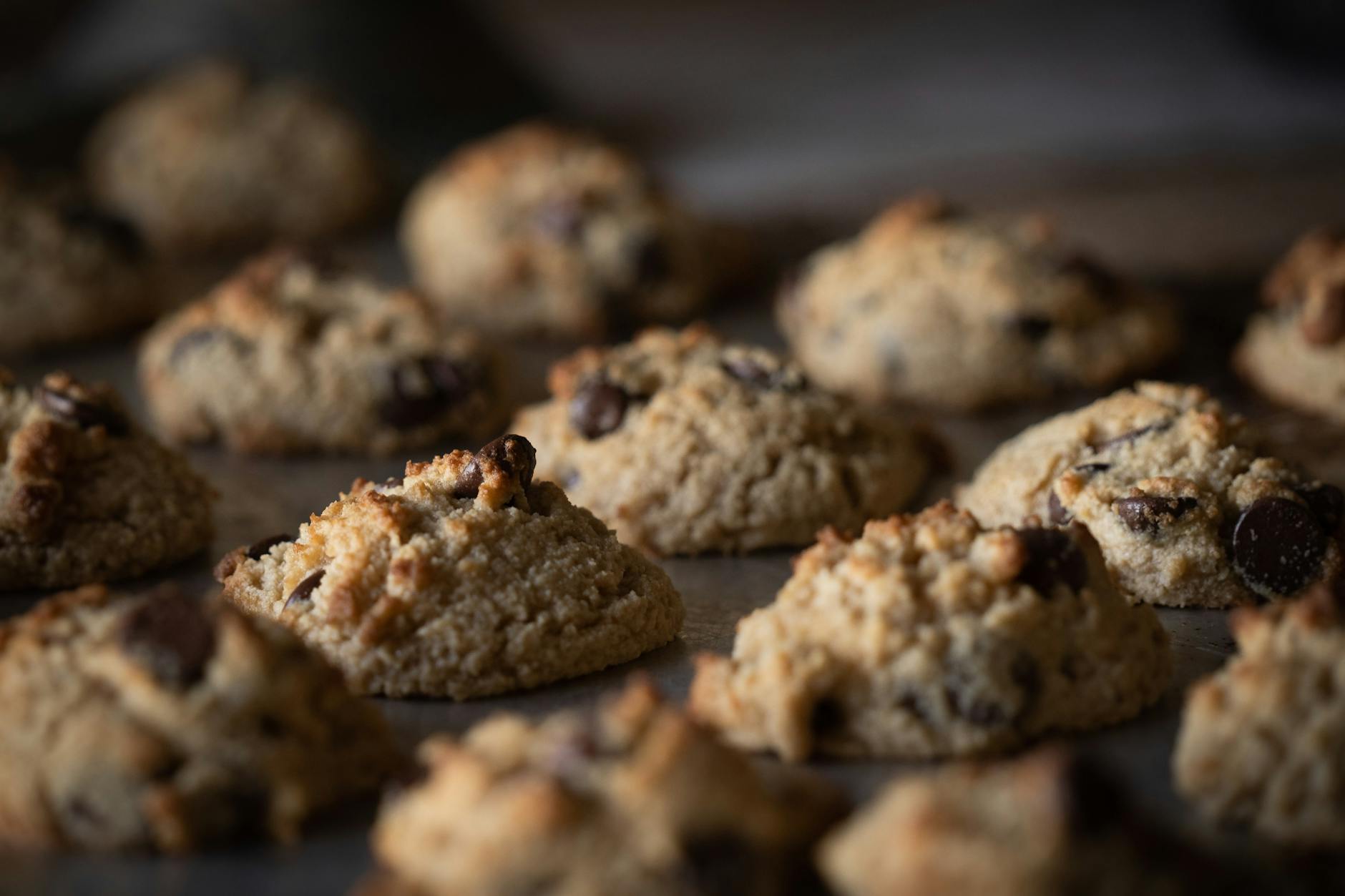
My mom didn’t just bake cookies—she baked with purpose. Our house always had the warm, buttery scent of something in the oven, and cookies were her signature. Chocolate chip. Peanut butter. Oatmeal raisin. Sugar cookies with sprinkles for every holiday.
If you stopped by unannounced, odds were good you’d leave with a cookie in hand and maybe a few more wrapped in foil.
When my dad left for Army National Guard training, she always baked for his entire unit. She’d take requests beforehand, then carefully box them up, labeling everything. She baked like she loved people—which she did—and cookies were how she said it.
She even shipped them across the country to her brothers. I remember one uncle laughing and saying he didn’t care if they arrived in crumbs—they were her cookie crumbs, and that was what mattered.
Every time I bake now, I think about her. Not just because she was a great baker, but because she baked out of love.
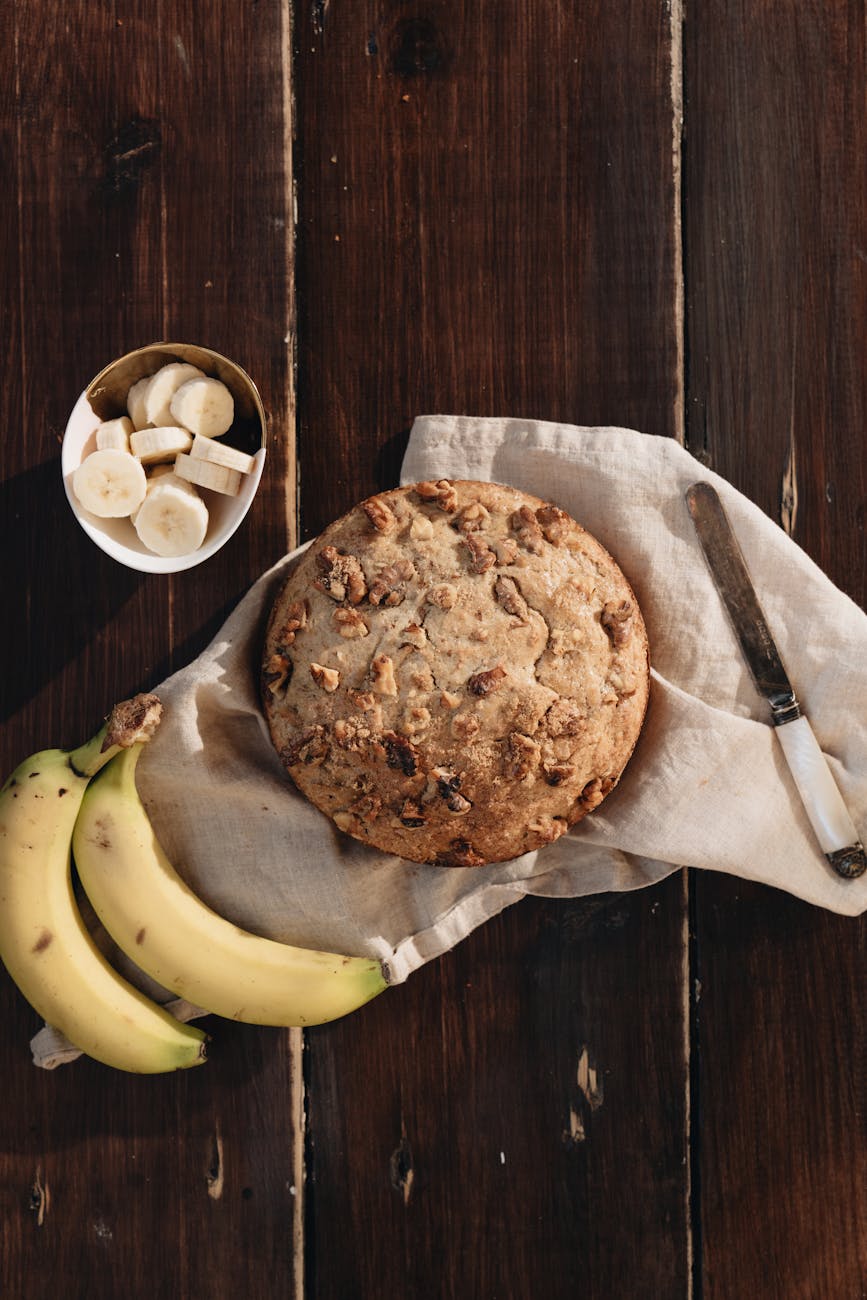
In our house, overripe bananas weren’t a problem—they were a promise. A promise of banana bread, warm from the oven, filling the kitchen with that unmistakable, sweet, cozy smell.
If we had extra zucchini from the garden—or a neighbor dropped some off “just in case we wanted it”—my mom would whip up a batch of zucchini bread before we’d even decided what to have for dinner. She never used a recipe card. Instead, my mom was able to bake a perfect loaf entirely from her memory.
She made enough to share, too. A loaf for the neighbors. A couple of slices wrapped in foil for my dad’s lunch. I think quick breads were her love language. Practical and warm. Fragrant and satisfying. They said, “I saw what we had, and I made something good out of it.”
To this day, I can’t smell banana or zucchini bread without thinking about my mom moving confidently around the kitchen, turning whatever was available into something golden and delicious. She certainly had the Midas touch when it came to baked goods.
I love making pies—especially the fillings—but I’ll be honest: I don’t enjoy making pie crust (store-bought is the way to go, in my view). My mom saw this differently. Not only did she love making pie crust, but hers was delicious. Every Thanksgiving when I hosted, we’d all pitch in: my sister and I would handle the filling. Our mom would happily make the crusts. We were like a well-oiled dessert assembly line.
I especially remember the year when my youngest daughter was two. We had the Macy’s Thanksgiving Day Parade on in the background, and were elbow-deep in flour and cinnamon. We’d just finished the last pie when we noticed things had gotten a little too quiet. Almost anyone who’s a parent knows that quiet is often a sign of trouble when kids are involved.
There was my toddler, standing on the dining table, hands fully submerged in the center of a fresh pumpkin pie. She looked up, eyes wide, face covered in orange goo. And we just lost it. Laughed until we cried. We didn’t even pretend to scold her.
Every time I smell pumpkin pie now, I think of that moment. And I think of my mom laughing with us. She would’ve said it was the best part of the whole day.
I still don’t make my own crust. I buy it premade, with zero guilt. Because in my mind, she’s still the one making it—pressing the dough into the pan, smiling as she goes.
Baking was my mom’s superpower. Cooking… was more of a gamble.
She was always multitasking—writing a note, starting laundry, organizing the closet in the other room. When she baked, that wasn’t usually a problem. The oven had a timer, and she was pretty good at checking in. But cooking on the stovetop? That was another story. Let’s just say she believed in the power of “high heat” and had an almost mystical faith that nothing bad would happen if she walked away for a bit.
One evening in the early 2000s, my husband and I temporarily lived with my parents between moves. We got home from work and immediately knew something was off. A thick, charred smell hung in the air.
My mom decided to make beans—and then promptly forgot about them. The pot was scorched. The kitchen smelled like a campfire. She greeted us at the door, laughing and waving a towel around like it might help.
We ended up getting takeout, of course. But she never got defensive or frustrated. Instead, she cracked a joke and turned it into a story. She had this way of turning mishaps into moments.
To this day, if I smell burnt beans, I smile and think of her.
Back in the 1980s, my mom’s go-to perfume was White Shoulders. I can still picture the soft pink bottle. It sat on her dresser like a little beacon of elegance, and when she wore it, the whole room felt a little more glamorous.
I thought it was the most sophisticated thing in the world. I remember begging to hold it and being thrilled when she finally handed me an empty bottle. I didn’t care that it was used up. I’d sneak away to my room, take off the lid, and close my eyes while I inhaled the lingering scent. I imagined I was grown-up, heading out to some important event, dressed to the nines, just like her.
That bottle lived in my dress-up drawer for years. It was a main character in every make-believe game I played. I loved it… mostly because of how much I loved and admired my mom.
Even now, if I catch even a hint of White Shoulders, I’m eight years old again, spinning in circles, pretending to be my mom.
The smell of nail polish has always hit me hard. It gives me a headache almost instantly—and the waiting-for-it-to-dry part? Um, no. That’s torture. I’m happier outsourcing the job to a professional or skipping it altogether.
My mom, though, loved it. She especially loved red nail polish. Bright, bold, classic red. She kept her nails neat and painted, making it look effortless. It was part of her rhythm, one of the ways she took care of herself.
When my daughters were little, I never wanted to sit and paint their nails. But Nana did. She’d lay towels on the table, open the little bottles, and let them choose their colors. Reds, pinks, purples, glittery shades that looked like fairy dust. She had endless patience and a steady hand. They loved those little nail salon days with her, and so did she.
Now, when I walk past a nail salon or open a bottle of polish and get that sharp, chemical whiff, it’s no longer unpleasant. Instead, it triggers memories of red nails, giggles, and a Nana who showed love in tiny, tender ways.
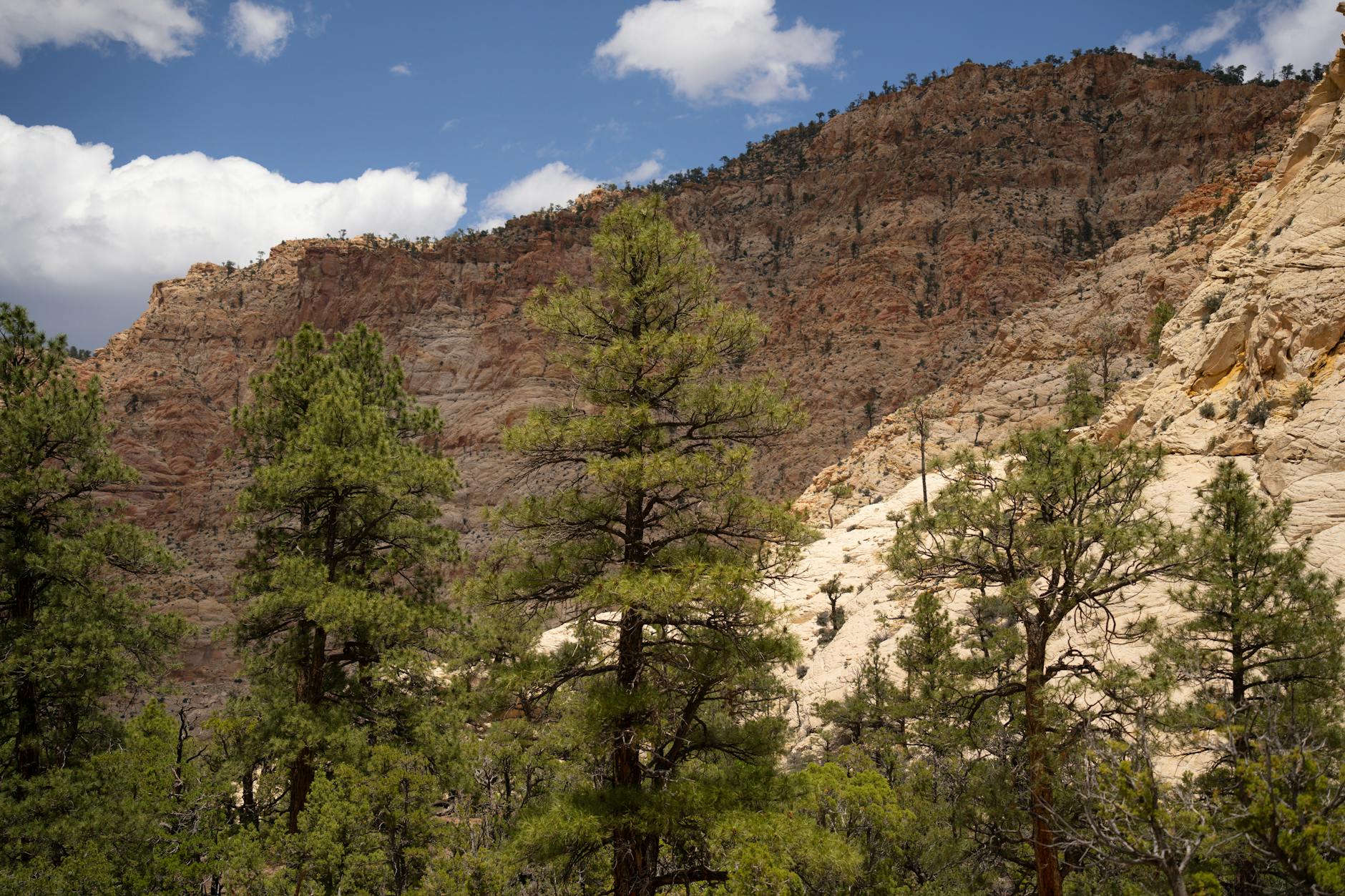
One of my mom’s favorite bits of nature trivia was this: if you smell the bark of a ponderosa pine tree, it smells like vanilla. Or butterscotch, depending on who you ask. She would proudly demonstrate this whenever we passed one on a hike or walk.
We’d be in the middle of a forest, and she’d suddenly stop, gesture to a tree, and say, “Okay, now smell this one.” Then she’d lean in, close her eyes, and take a long inhale. We followed her lead—slightly skeptical at first, but eventually fully bought in.
I live in northern Arizona now, home to the largest contiguous stand of ponderosa pines in the world. And yes—I still sniff trees. My kids roll their eyes, but I encourage them to do it, too. It’s a little strange, maybe, but it’s also a direct connection to her. To her love of the natural world. To her delight in small discoveries.
Every time I press my nose to that bark and catch the sweet, warm scent of vanilla, I think about my mom.
Nature was my mom’s sanctuary. She loved wild places and quiet moments. Whenever we arrived at a new spot—whether for camping, hiking, or just a scenic drive—she had a ritual. She’d step out of the car, stretch her arms wide, lift her face to the sky, close her eyes, and say with as much drama as she could muster, “Smell the air. Breathe it in.”
It didn’t matter where we were—the mountains, the desert, the lake. She believed that every place had its own scent, its own essence. And by breathing it in, you became part of it, just for a little while.
It was her way of anchoring herself in the present, of paying attention. She was practicing mindfulness.
And that’s my intention for the year ahead. To slow down. To notice. To take it in—scents, sights, memories, moments. To smell the air, breathe it in, and let it remind me that I’m alive and connected to something bigger. That she’s still with me in the breeze and the lilacs and the laughter.
Let’s keep telling stories. Let’s remember the people who shaped us. And let’s not forget to take a moment to smell the air and breathe it in. To enjoy this life and all the things it has in store for us.
And maybe that’s the real legacy of my bloodhound nose.
Sure, I might be the first one to notice when the milk goes bad—or when someone’s burning toast. But more than that, I inherited a way of noticing, of tuning in. My mom taught me that life is worth smelling: the lilacs, the cookies, the quick breads, the air.
So here I am, ten years later—still sniffing trees, still opening bottles just to catch a memory in the air. And every time I do, I think of her. I smile. And I breathe it in.









 Meraki Endeavors
You must be logged in to post a comment.